
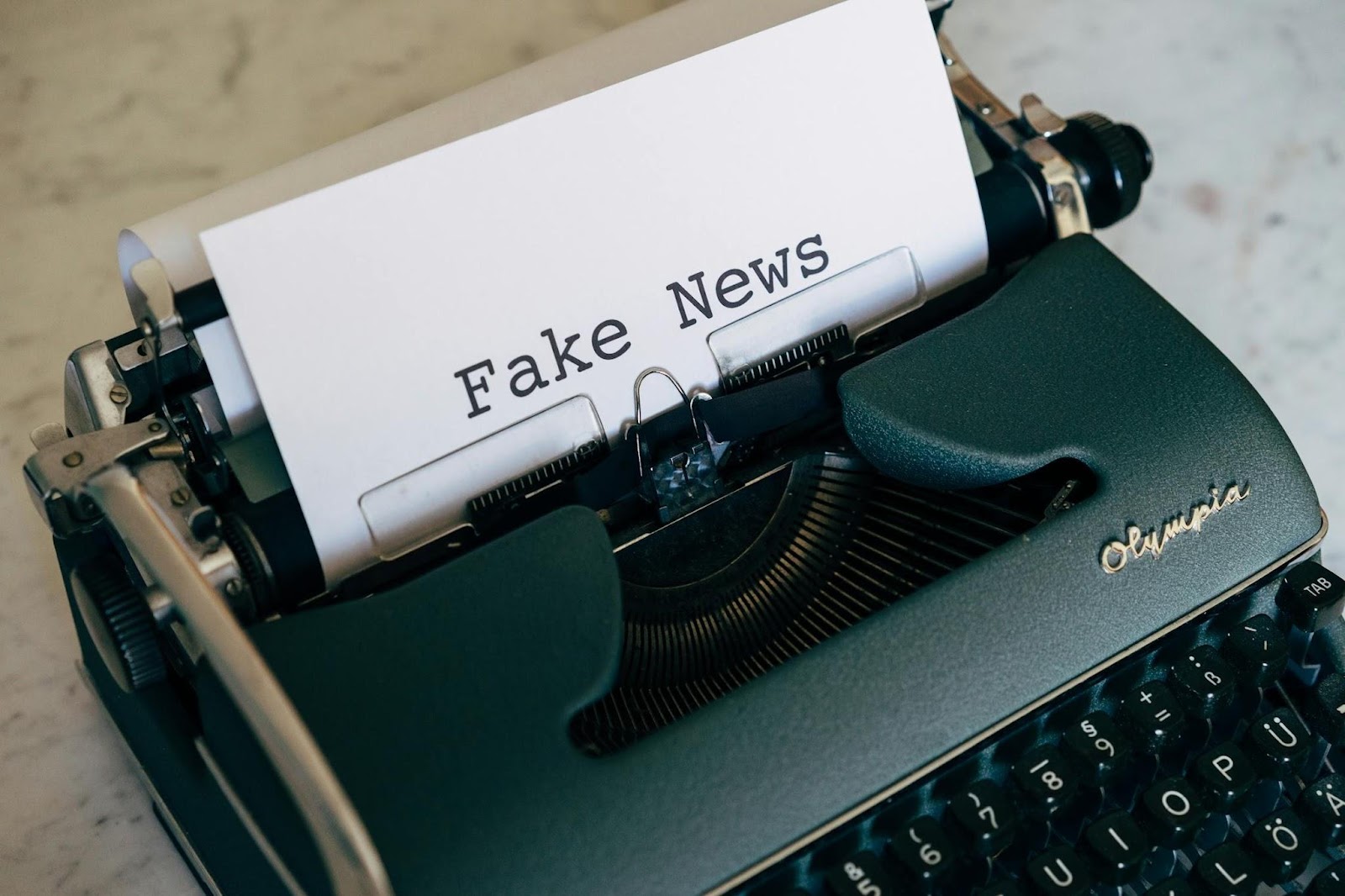
In today’s fast-paced digital landscape, the Role of News in Public Opinion is more critical than ever. With a myriad of platforms delivering information at lightning speed, the way news is presented significantly influences how individuals perceive the world around them. This article explores the intricate dynamics between news reporting and public sentiment, shedding light on the powerful impact media can have on societal views.
The Power of Framing
At the heart of news reporting lies the concept of framing. The manner in which a story is told—its emphasis, language, and context—can dramatically alter public perception. For instance, consider a report on climate change. If framed as an imminent crisis requiring urgent action, it can galvanize public support for environmental policies. Conversely, if presented as a distant concern, it may evoke indifference. This illustrates how Shaping Opinion through News is not merely about the facts presented but also about the narrative crafted around those facts.
Framing also extends to the portrayal of individuals and groups. For instance, how marginalized communities are depicted can shape public empathy or bias. News outlets that focus on personal stories and human experiences often foster greater understanding and compassion among audiences. In this way, the Impact of News on Public Views can be profound, influencing attitudes toward issues such as immigration, poverty, and social justice.
The Role of Media Platforms
The advent of social media has revolutionized the dissemination of news. Traditional media channels are no longer the sole arbiters of information. Platforms like Twitter, Facebook, and Instagram allow individuals to share news instantaneously, often leading to viral stories that can sway public opinion rapidly. This democratization of information, while empowering, also raises questions about credibility and misinformation.
As users share news, they contribute to the News and Public Perception landscape, amplifying certain narratives while silencing others. Algorithms on these platforms often prioritize sensational content, which can distort public understanding. Consequently, the Role of News in Public Opinion is increasingly intertwined with social media dynamics, where engagement metrics often dictate visibility over accuracy.
The Influence of Journalistic Integrity
Quality journalism plays a pivotal role in shaping public opinion. Outlets that adhere to rigorous standards of fact-checking and ethical reporting foster trust among their audiences. When the public believes in the integrity of news sources, they are more likely to engage critically with the information presented. This trust is vital for a healthy democracy, as it encourages informed citizenry.
On the other hand, sensationalist reporting can lead to a cynical view of the media landscape. If audiences perceive news as biased or misleading, their ability to form educated opinions is compromised. This erosion of trust can have a cascading effect, leading to apathy and disengagement from critical social issues. Therefore, maintaining high journalistic standards is essential for the Impact of News on Public Views and fostering a well-informed populace.
News as a Tool for Advocacy
Beyond merely informing the public, news has the power to advocate for change. Investigative journalism, in particular, plays a crucial role in uncovering truths that might otherwise remain hidden. By exposing corruption, inequality, or environmental destruction, news outlets can rally public support for reforms.
For example, coverage of social movements—such as Black Lives Matter or climate activism—can galvanize community involvement and inspire collective action. Through strategic reporting, journalists can shape narratives that resonate with audiences, encouraging them to reconsider their beliefs and values. This advocacy underscores the Role of News in Public Opinion, as it actively participates in shaping the social agenda.
The Global Perspective
In an increasingly interconnected world, the News and Public Perception transcends borders. Global events—be it a pandemic, war, or economic crisis—affect not just local communities but also international relations and perceptions. How news about these events is reported can shape public attitudes toward foreign nations and cultures.
For instance, coverage of international conflicts often invokes emotional responses, influencing how citizens perceive those involved. When media outlets emphasize humanitarian crises, they can foster empathy and support for international aid efforts. Conversely, portrayals that focus on conflict can lead to fear and misunderstanding, shaping negative stereotypes. Thus, the Shaping Opinion through News has a significant role in promoting global understanding or, conversely, in sowing discord.
Conclusion
The Role of News in Public Opinion is multifaceted, encompassing everything from framing techniques to the integrity of reporting. In a world awash with information, understanding the dynamics at play is essential for engaging with the news critically.
As individuals navigate this complex landscape, it is crucial to remain vigilant about the sources of information consumed and to seek out diverse perspectives. By doing so, we can better understand the Impact of News on Public Views and contribute to a more informed and empathetic society. The power of news is not just in its ability to inform but also in its capacity to shape the narratives that define our collective consciousness.


