
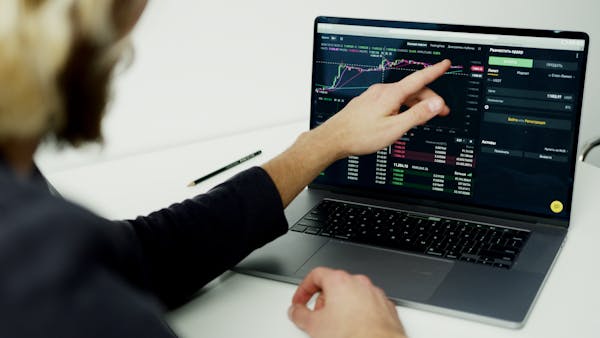
In today’s interconnected world, financial news moves at lightning speed, and Money Today is more influential than ever. The global economy is in a state of flux, shaped by ongoing geopolitical tensions, shifting market dynamics, and fluctuating policy decisions. Understanding these shifts requires careful analysis of the Recent Economic Developments shaping markets, industries, and consumers alike. Whether you’re an investor, a business owner, or simply interested in how your finances might be affected, keeping up with Current Economic Insights is key to navigating this complex landscape.
Inflation and Central Bank Policies
One of the major Recent Economic Developments dominating global conversations is inflation. After years of low inflation rates, many economies are now facing rising prices, driven by factors like supply chain disruptions and energy shortages. In response, central banks across the globe, from the U.S. Federal Reserve to the European Central Bank, have been tweaking their monetary policies to combat inflationary pressures.
Interest rates, in particular, are under the microscope. Central banks are raising rates to cool down overheated economies, but higher interest rates also impact borrowing costs for businesses and individuals. This creates a delicate balance, as overly aggressive rate hikes can stifle economic growth, while insufficient action can allow inflation to spiral out of control. Analyzing Economic Trends like these helps to predict how market players might adjust their strategies, from raising prices to cutting back on hiring.
Supply Chain Disruptions
Another critical factor in Money Today is the ongoing disruption of global supply chains. The COVID-19 pandemic caused widespread closures of factories and shipping delays, which continue to ripple through industries. These supply chain issues are leading to higher costs for goods and materials, exacerbating inflation concerns.
Companies are scrambling to find alternative suppliers or domestic solutions to mitigate these delays, but for many, it’s not enough. As a result, consumers are feeling the pinch with higher prices and fewer product options. In Current Economic Insights, it’s clear that industries like automotive, electronics, and retail are particularly vulnerable. Investors and businesses need to track how these supply disruptions evolve to make informed decisions, whether it’s adjusting inventory strategies or diversifying supply chains to reduce risk.
The Energy Crisis
Energy prices have surged in recent months, another factor driving inflation and shaping Recent Economic Developments. Natural gas shortages in Europe, coupled with rising demand for oil, have pushed energy prices to new highs. This is affecting both consumers, who are seeing higher utility bills, and businesses, especially those in energy-intensive industries.
In Analyzing Economic Trends, it’s important to consider the longer-term implications of this energy crisis. With a growing focus on sustainability, many governments are pushing for greater investment in renewable energy sources like wind, solar, and hydrogen. This shift could create new opportunities for investors, particularly in green energy technologies, while traditional energy sectors might face more regulatory scrutiny and higher costs in the years to come.
Labor Market Shifts
The global labor market is another focal point of Money Today. Unemployment rates have dropped in many regions, but businesses are still struggling to find workers. This labor shortage has forced companies to increase wages, adding to their operational costs. The rise of remote work, combined with changing worker preferences, is reshaping the way companies approach hiring and employee retention.
For businesses, the challenge lies in balancing labor costs with profitability. For workers, these Current Economic Insights present opportunities for better wages, but also the need to be adaptable in a rapidly changing job market. Skilled workers in high-demand sectors like technology, healthcare, and logistics are likely to benefit the most from these trends.
Geopolitical Tensions and Trade
Geopolitical developments, particularly between major global powers, are another key driver in Money Today. The ongoing trade tensions between the United States and China, for example, continue to affect global supply chains, tech industries, and manufacturing sectors. Tariffs and trade restrictions are pushing companies to reconsider where they produce goods, and many are relocating operations to other parts of the world.
Moreover, Russia’s conflict with Ukraine has caused significant disruptions in energy markets, particularly in Europe, which is highly dependent on Russian gas. The geopolitical landscape is forcing businesses to adapt, and Analyzing Economic Trends like these can help investors identify regions or sectors that may be more resilient in the face of these challenges.
Stock Market Volatility
The stock markets have been on a rollercoaster ride lately, reflecting the uncertainty in the global economy. Inflation concerns, interest rate hikes, and geopolitical tensions have led to increased volatility, with some sectors faring better than others. In Current Economic Insights, technology stocks, which boomed during the pandemic, have seen sharp corrections, while energy and financial stocks have performed better.
Investors are becoming more cautious, shifting their portfolios toward defensive sectors or value stocks that tend to perform better in uncertain times. Money Today suggests that market volatility is likely to persist as these economic challenges continue to unfold, making it essential for investors to stay informed and agile.
Real Estate Market Trends
Real estate is another area being heavily influenced by Recent Economic Developments. In many parts of the world, property prices have soared, driven by low interest rates and high demand for housing. However, with interest rates now on the rise, the real estate market is starting to cool in some regions. Mortgage rates are climbing, which could dampen the enthusiasm of potential homebuyers and investors.
For those looking at real estate as a long-term investment, Analyzing Economic Trends suggests that location remains key. Urban areas with strong job markets and infrastructure development are still likely to offer good returns, even as interest rates increase. However, investors should be wary of speculative markets that may be overvalued and vulnerable to sharp corrections.
Conclusion
In the ever-evolving financial world, keeping up with Money Today means staying on top of these Recent Economic Developments. From inflation and energy crises to labor market changes and geopolitical tensions, the global economy is facing a complex set of challenges. By Analyzing Economic Trends and understanding Current Economic Insights, businesses, investors, and consumers can make informed decisions that help them thrive in uncertain times. Whether it’s adjusting investment portfolios, rethinking supply chains, or capitalizing on emerging opportunities, being proactive is key to navigating the modern economic landscape.


